
In 2026. container camp is already considered a standard solution for construction, oil and gas and industrial facilities. Such complexes allow to quickly organize housing, offices and living quarters even in remote areas. The main advantage is the speed of start-up and a clear budget without long capital construction.
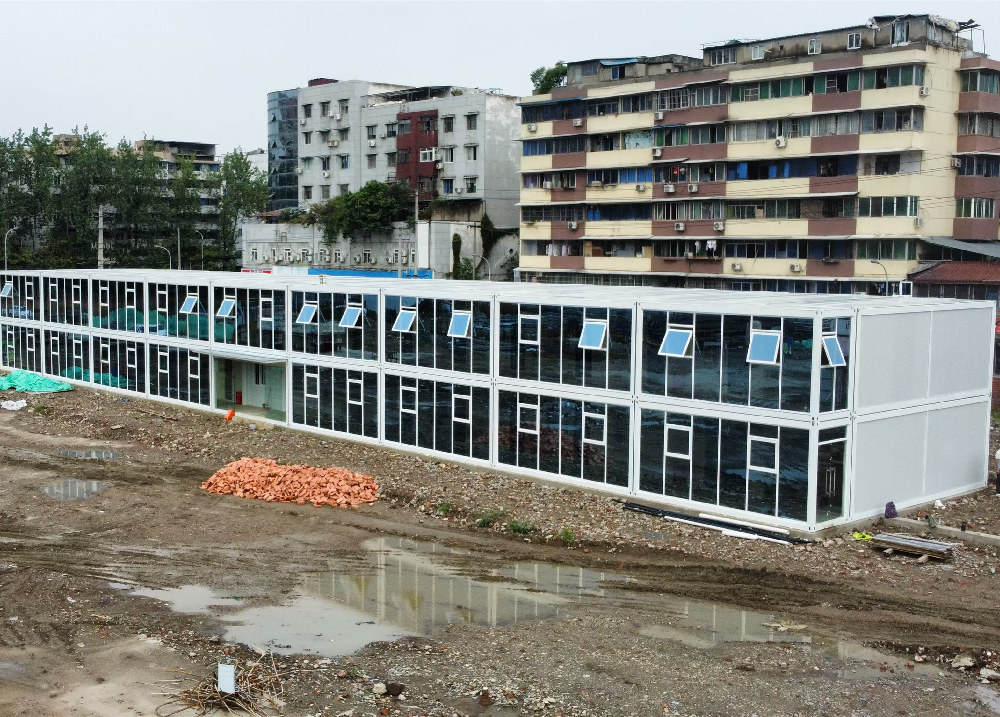
Typically, a modular camp includes:
The structures are assembled from container modules that are delivered to the site ready or semi-finished. If necessary, the complex can be expanded or moved to another site.
The price depends not only on the area. The final cost is influenced by:
For example, winter versions with reinforced thermal insulation are considerably more expensive than standard solutions. The climate of the region and the requirements for staff accommodation also have an impact.
Additionally, they take into account:
Therefore, two superficially similar projects can differ greatly in budget.
It is definitely not worth saving money here. Fire safety requirements for rotational facilities are quite strict.
Usually pay attention to:
For residential blocks, mineral wool insulation is more often used, as it better meets fire protection requirements.
It is also important to consider local building codes in advance - especially if the facility is being built for long-term use.
Logistics is one of the key steps. Container modules are usually transported:
Timing depends on the remoteness of the site and the number of units. Average:
If the site is prepared in advance, assembly is fairly quick.
Yes, with the use of enhanced insulation and heating systems.
On average 10-20 years with normal use.
Yes, this is one of the main advantages of containerized solutions.
For shift camps, quality and safety are always more important than minimum cost.
A lightweight foundation or pile system is usually used.
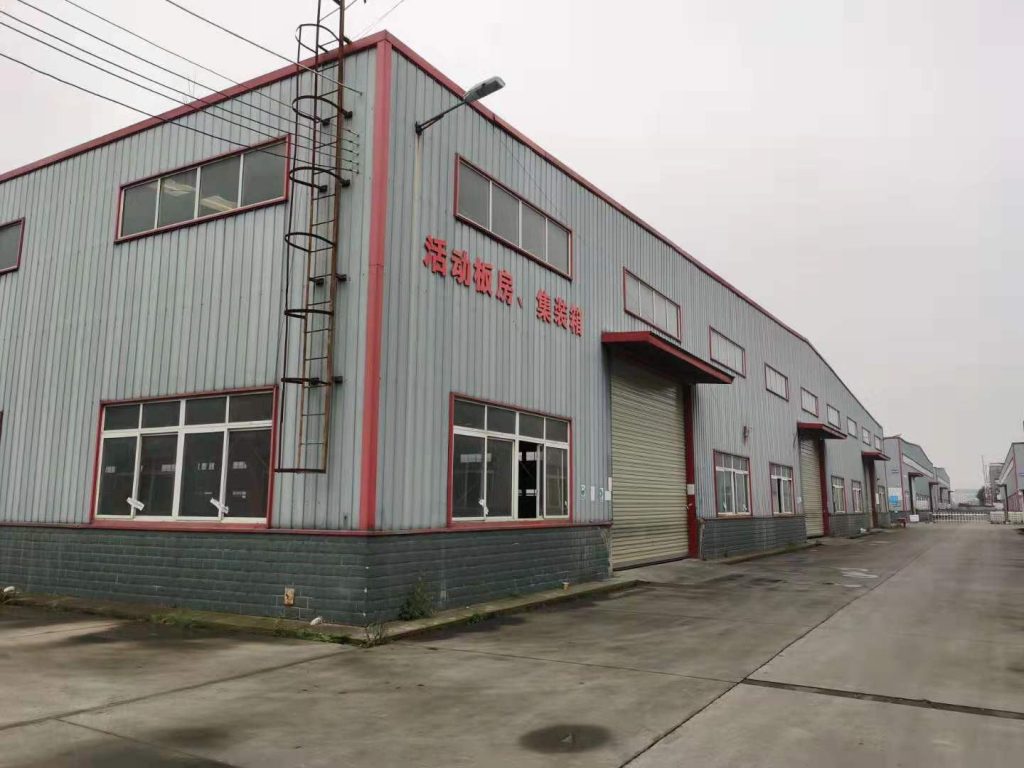
Shift camp from containers in 2026 - is a practical solution for businesses that need to quickly deploy infrastructure in remote areas.
If insulation, fire safety and logistics are thought out in advance, this format can significantly reduce the time of launching the facility and optimize costs.
 Phone:+86 13551309988
 Mailbox:cnsiteoffice@yandex.ru
 Address:Yang'an Industrial Park, Qionglai Town, Chengdu City, Chengdu, Sichuan Province, 16 Henliu St.


