
In 2026. Export of block containers to Russia remains a popular sector for Chinese manufacturers. Shipping container offices, portable buildings, and modular structures are widely used at construction sites, industrial facilities, and worker housing complexes.
But the purchase itself is only part of the process. The main issues usually involve shipping, customs, and paperwork.
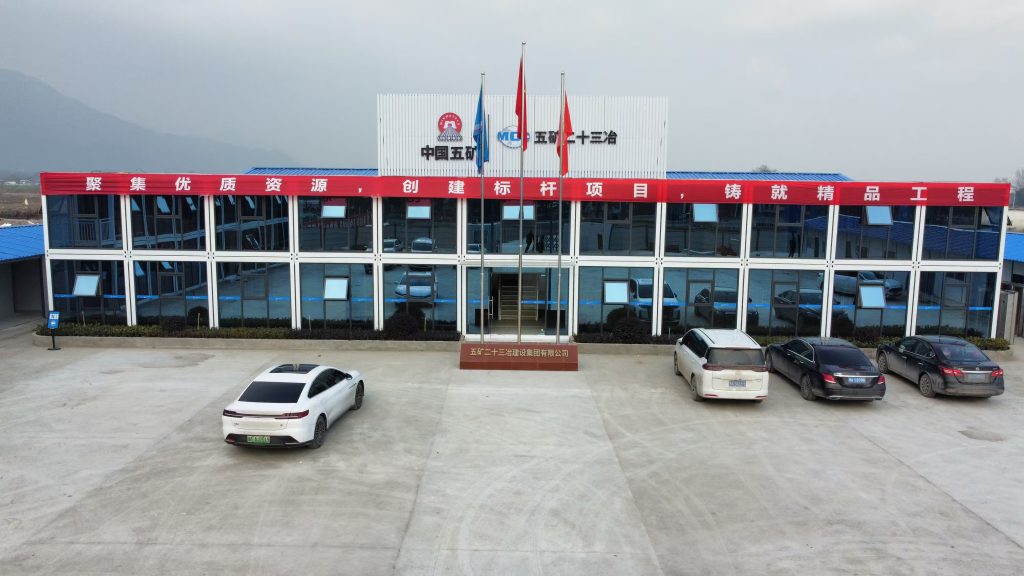
The following items are typically shipped to Russia:
Most factories offer both standard sizes and custom manufacturing.
It’s important to have your documents ready in advance. To import goods, you’ll usually need:
A lot also depends on the type of container and its intended use. If it is a fully-fledged modular building with utility systems, the requirements may be more stringent.
Many importers work with brokers to speed up the customs clearance process and avoid errors in the paperwork.
The most popular options:
Combined logistics is often used for large-scale projects.
The schedule is usually as follows:
A lot depends on the region and the size of the modules.
For a normal import, the following are usually checked:
If the containers are used as residential or office spaces, the requirements may be more stringent.
Therefore, it is best to check Russian regulations in advance, before shipping the goods.
A typical manufacturer usually:
Options that are too cheap often cause problems as early as the customs clearance or installation stage.
On average, 2 to 6 weeks.
Yes, most factories operate on a made-to-order basis.
Documents and certificates are very important for importing.
For large shipments, usually yes.
Office, residential, and construction modules.
Exports of block containers to Russia in 2026 — This has become standard practice for many Chinese manufacturers.
The key is to plan the logistics in advance, review the documents, and work with a supplier who truly understands the requirements of the Russian market.
 Phone:+86 13551309988
 Mailbox:cnsiteoffice@yandex.ru
 Address:Yang'an Industrial Park, Qionglai Town, Chengdu City, Chengdu, Sichuan Province, 16 Henliu St.


